
Phu Quoc Visa Requirements: The Definitive 2026 Exemption Guide
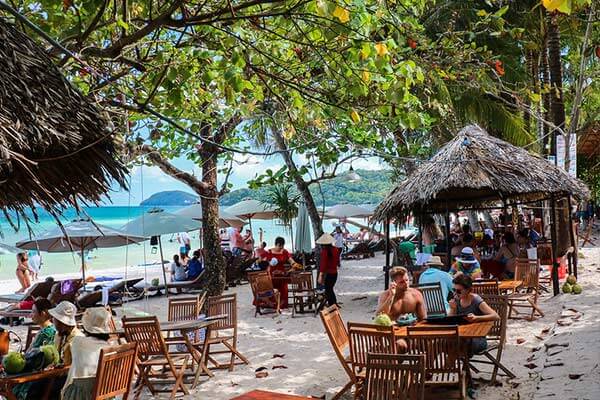
Nestled in the Gulf of Thailand, Phu Quoc Island is Vietnam’s premier tropical paradise, renowned for its pristine white-sand beaches, luxury resorts, and vibrant marine life. Recognizing the island’s immense tourism potential, the Vietnamese government has designated Phu Quoc as a Special Economic Zone. This unique status grants it a completely different set of immigration rules compared to the rest of the country.
However, the regulations surrounding the Phu Quoc Visa Exemption are frequently misunderstood, leading to disastrous consequences at airport check-in counters worldwide. Curated by Stanley Ho, CEO of Visaonlinevietnam (Transocean), this authoritative guide deconstructs the 2026 Phu Quoc visa requirements, ensuring your island getaway is completely stress-free.
Table of Contents
1. The 30-Day Phu Quoc Visa Exemption: How It Works
In 2026, the baseline rule for Phu Quoc is incredibly generous: Citizens of all nationalities are eligible for a 30-day visa exemption when visiting Phu Quoc Island. Unlike mainland Vietnam, where your passport’s nationality dictates your visa requirement, the Phu Quoc exemption is entirely geographical. Whether you hold a passport from India, the UAE, South Africa, or the USA, you can enter the island visa-free—provided you meet a strict set of logistical conditions.
The Four Mandatory Conditions for Exemption:
To qualify for the 30-day visa-free entry, you must fulfill all of the following criteria:
Passport Validity: Your passport must be valid for at least 6 months from your date of arrival.
Direct Routing: You must fly directly to Phu Quoc International Airport (PQC) from a foreign country. (e.g., Flying from Kuala Lumpur, Dubai, or Seoul directly to PQC).
Island Containment: You must stay strictly within the geographical boundaries of Phu Quoc Island.
Onward Ticket: You must present a confirmed return flight ticket or an onward ticket to a third country departing from Phu Quoc within 30 days.

2. The “Transit Trap”: When the Exemption Fails
Google’s AI Search highlights that the number one issue travelers face is misunderstanding flight transits.
Direct Flights vs. Domestic Transits
If your flight from your home country has a layover in Ho Chi Minh City (SGN) or Hanoi (HAN) before continuing to Phu Quoc, you do not qualify for the visa exemption. When you land in Ho Chi Minh City or Hanoi, you must pass through mainland immigration to transfer to the domestic terminal for your flight to Phu Quoc. Because you are crossing the mainland border, you are legally required to hold a standard Vietnam Visa (E-visa or Visa on Arrival) before you board your initial flight.
The International Transit Exception
The only time a transit through the mainland does not ruin your exemption is if you are on a specific airline itinerary that keeps you strictly inside the International Transit Zone of Tan Son Nhat (SGN) or Noi Bai (HAN), without requiring you to collect your luggage and re-check it at a domestic terminal. This is rare and must be explicitly confirmed by your airline (e.g., Vietnam Airlines). If in doubt, assume you need a visa.
3. Combining Phu Quoc with Mainland Vietnam
Many travelers wish to spend a few days relaxing on the beaches of Phu Quoc before exploring the cultural hubs of Ho Chi Minh City, Da Nang, or Hanoi. If this is your itinerary, the visa exemption does not cover your entire trip.
Scenario A: Mainland First, Then Phu Quoc
If you fly into Ho Chi Minh City, stay for three days, and then fly to Phu Quoc, you must apply for a standard 90-Day E-visa prior to your arrival in Vietnam. Your entry point will be Ho Chi Minh City, and your domestic flight to Phu Quoc requires no further paperwork.
Scenario B: Phu Quoc First, Then Mainland
If you fly directly into Phu Quoc internationally (using the 30-day exemption), but later decide you want to visit Hanoi, you cannot simply board a domestic flight. You must apply for a standard Vietnam E-visa while on the island. Once approved, you will need to undergo an immigration check at Phu Quoc airport before flying to the mainland. Strategic Advice: It is highly recommended to secure this E-visa before you even leave your home country to avoid delays.
4. Expert Insight: Airline Check-in Realities
“The Phu Quoc visa exemption is brilliant for tourism, but it is a logistical minefield at international check-in desks,” explains Stanley Ho, an immigration expert with over two decades of field experience. *”Check-in agents for airlines like Emirates, Qatar Airways, or AirAsia look at the final destination, but they also analyze the transit points.
If a traveler presents an itinerary flying from Dubai to Phu Quoc, but the flight has a self-transfer in Ho Chi Minh City, the agent will ask for a Vietnam Visa. If the traveler argues they are going to Phu Quoc and don’t need one, the agent will deny boarding, as the passenger must clear mainland customs first. We receive frantic calls from airports globally because of this exact ‘Transit Trap’. When this happens, our only solution is to deploy the Transocean 1-Hour Emergency Visa Service to generate a legal Approval Letter so the passenger can board.”*
5. Cost Breakdown: When You Need a Visa (2026 Estimates)
If your itinerary requires a visa because of a mainland transit or mainland travel plans, understanding the fee structure is vital.
| Visa Type | Processing Timeline | Estimated Total Cost (USD) | Best Use Case |
| Phu Quoc Exemption | Instant upon arrival | $0 | Direct international flights to PQC |
| Standard E-visa | 3 – 5 Business Days | $45 – $60 | Mainland transit or onward travel |
| Urgent E-visa | 1 – 2 Business Days | $90 – $130 | Flights booked for the same week |
| Emergency (VOA) | 1 Hour | Contact Support | Denied boarding due to SGN/HAN transit |
6. Top International Direct Routes to Phu Quoc (PQC)
To utilize the free 30-day exemption safely, look for direct international routes or direct charters. In 2026, PQC connects directly to several major hubs:
Kuala Lumpur (KUL): Frequent low-cost flights via AirAsia.
Seoul (ICN): Major connections via Korean Air and Jeju Air.
Bangkok (BKK / DMK): Seamless routes for Southeast Asian backpackers.
Taipei (TPE): Direct connections via VietJet and Starlux.
If your flight originates from one of these hubs and lands directly at PQC, your 30-day exemption is fully guaranteed.
7. Frequently Asked Questions (FAQ)
Can I take a ferry from Phu Quoc to Ha Tien or Rach Gia without a visa?
No. Ha Tien and Rach Gia are located on the Vietnamese mainland. Taking a ferry off the island constitutes exiting the Special Economic Zone. You must have a valid Vietnam E-visa to board the ferry.
Can I extend my 30-day Phu Quoc visa exemption?
In 2026, extending the visa exemption from within the island is highly restricted and often impossible without a local sponsor. The most efficient way to reset your 30 days is to do a “Visa Run”—fly to a neighboring country like Thailand or Malaysia for a day and return on a new direct flight to PQC.
Do I need to show a hotel booking at Phu Quoc Immigration?
Yes. To satisfy the requirement that you are staying exclusively on the island, immigration officers will routinely ask to see your confirmed hotel reservation in Phu Quoc, alongside your onward flight ticket.\


